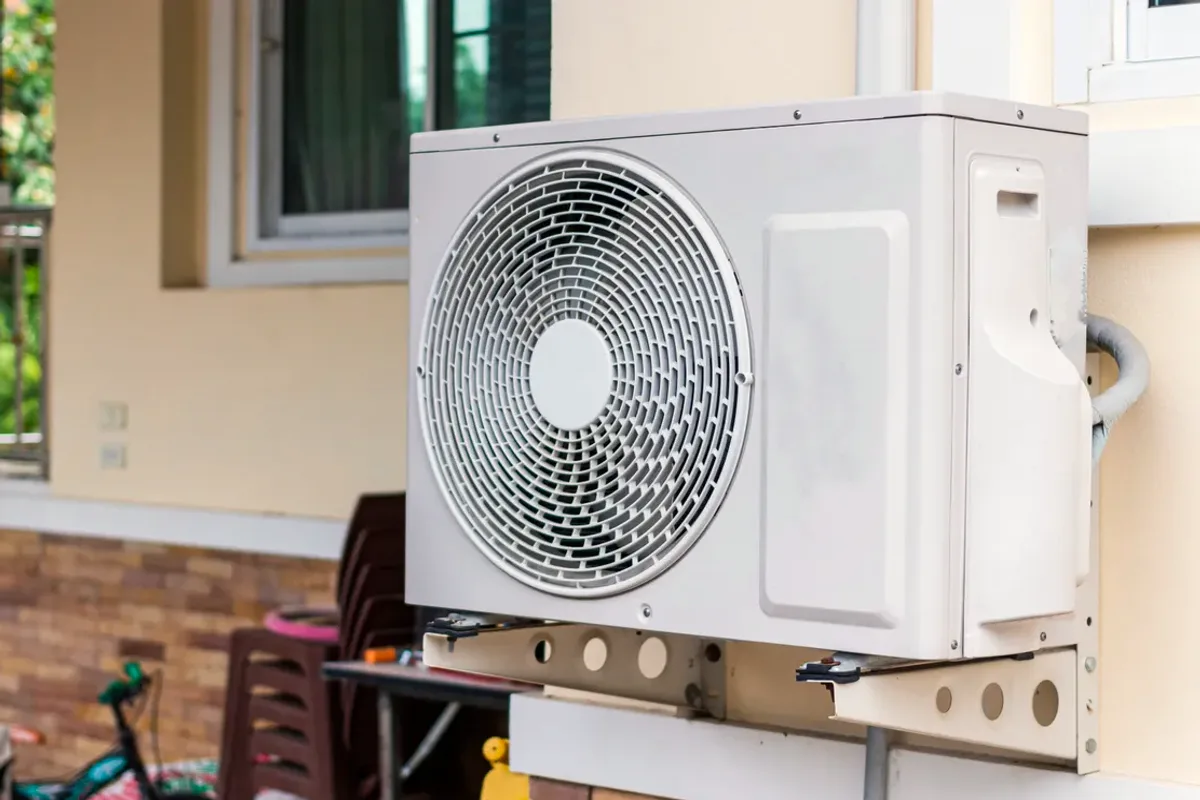
Request heat pump repair & installation for a property in Goderich. Include the equipment, the problem or planned work, and your location so the request can be reviewed.
Should a heat-pump concern be handled as a repair, a replacement, or a new installation assessment?
Heat-pump service may involve repairing an existing system or assessing a new installation, including a possible change from gas or propane heating. Those are different scopes: repair depends on the fault and equipment condition, while installation requires evaluating the building load, ducted or ductless configuration, and intended role of the heat pump. If a standby generator is also under consideration, its electrical compatibility and the equipment loads it can support need separate assessment.
For repair, record the operating mode, fault indications, and system history, then check the relevant components and controls. For installation, document existing fuel equipment, building load, ducts or planned indoor units, and the desired heating role. A change from gas or propane also calls for assessing how the new system will serve the building. Generator pairing requires a compatibility review, not an assumption of backup operation.
Heat-pump fault diagnosis and repair
Ducted or ductless installation and gas or propane conversion assessment
Diagnose the existing heat pump before changing equipment
A heat pump can fail to heat or cool because of a control, electrical, airflow, refrigerant-circuit, or component fault. The operating mode and sequence of events help guide inspection; a symptom alone does not establish that the unit needs replacement. A targeted repair is appropriate when the fault is confirmed and the remaining system is serviceable. If major or repeated failures are found, compare that repair scope with replacement using the equipment's condition and requirements.
02
Assess the building before replacing fuel heat
If a heat pump is being considered in place of a gas or propane furnace, first assess the building load and how heat reaches each space. A ducted option depends on existing duct condition and capacity; a ductless option depends on room coverage and indoor-unit locations. Cold-climate equipment should be evaluated using its capacity at relevant outdoor conditions. These findings determine whether the proposed system can meet the requested heating role.
03
Review backup-power compatibility separately
If a standby generator is part of the plan, assess the heat pump's electrical requirements alongside the generator's available capacity and control arrangements. A generator connection does not by itself establish that the heat pump can operate during an outage. The equipment combination, startup demand, and intended loads need review before a backup arrangement is specified. Keep this separate from the heat-pump repair or installation decision so each scope is clear.
Compare the next step
Organize the fault record by operating mode, outdoor conditions, and backup response. Ask what distinguishes the proposed diagnosis from previous assumptions. The service report should explain the cause, work performed, operating checks, and any remaining limitation so future assessment does not begin from an incomplete history.
Cold-climate capability does not prove that one model covers every home heating load. Ask how the selected equipment and supplementary heat meet the actual design requirements.